BTC $75,446

Next

Supermoon in 18 days

6 of the last 10 full moons, Bitcoin was higher 7 days later. 4 times, lower. That’s 60%.
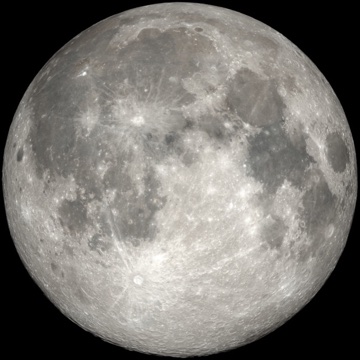
The Moon at 9:54 AM ET on Nov 24, 2026, NASA SVS
NASA SVS
Mercury Rx
Mercury Rx

6 up, 4 down: Last 10 full moons6 of 10 highernormal for any 10: 3–8

Nov 24 · in 18 days: all 10 past weeks on the chart

Clean

Data provided by CoinMarketCap.com · History: Coin Metrics, CC BY-NC 4.0 · Sky: NASA (sources below)

What Bitcoin did after each one

See every event on this chart
Sky events in this chart and the last 10 full moons, and Bitcoin over the days after
When (ET)EventWindowBitcoinPrice (USD)
Dec 23, 2026, 8:28 PM ETSupermoon7 daysStarts in 47 days
Dec 8, 2026, 7:52 PM ETNew Moon7 daysStarts in 32 days
Nov 24, 2026, 9:54 AM ETSupermoon7 daysStarts in 18 days
Nov 9, 2026, 2:02 AM ETNew Moon7 daysStarts in 3 days
Oct 26, 2026, 12:12 AM ETFull Moon7 days−2.3%80.0K to 78.2K
Oct 24 – Nov 13, 2026Mercury Retrogradestart to endIn progress: −6.3% so far81.1K to 76.0K
Oct 10, 2026, 11:50 AM ETNew Moon7 days−1.3%82.6K to 81.5K
Sep 26, 2026, 12:49 PM ETFull Moon7 days+0.5%84.1K to 84.5K
Aug 28, 2026, 12:19 AM ETPartial Lunar Eclipse7 days+1.3%80.3K to 81.3K
Jul 29, 2026, 10:36 AM ETFull Moon7 days+0.3%63.9K to 64.1K
Jun 29, 2026, 7:57 PM ETFull Moon7 days+6.9%59.5K to 63.6K
May 31, 2026, 4:45 AM ETBlue Moon7 days−17.5%73.8K to 60.9K
May 1, 2026, 1:23 PM ETFull Moon7 days+4.8%76.3K to 80.0K
Apr 1, 2026, 10:12 PM ETFull Moon7 days+4.4%68.1K to 71.1K
Mar 3, 2026, 6:38 AM ETBlood Moon7 days−0.6%68.9K to 68.5K
Feb 1, 2026, 5:09 PM ETFull Moon7 days−12.1%78.7K to 69.2K

Since July 2010: 202 full moons, up in 106 (52%). Any week: 55%.

Not a forecast or advice. How we count

How we count: Bitcoin’s daily closes (UTC), from the day before the event to 6 days after, compared with every 7-day stretch since July 2010. Event times: USNO, NASA.

Sources

Sources · Moon images: NASA's Scientific Visualization Studio · Solar eclipses: Eclipse Predictions by Fred Espenak (NASA's GSFC) · Lunar eclipses: Eclipse Predictions by Fred Espenak and Jean Meeus (NASA's GSFC) · Eclipse photos: NASA/GRC/Jordan Salkin, NASA/Bill Ingalls, NASA/Jim Spann, NASA/Joel Kowsky · Mercury (enhanced color, PIA16853): NASA/Johns Hopkins University Applied Physics Laboratory/Carnegie Institution of Washington; 3D map: MESSENGER MDIS mosaic, USGS Astrogeology · Sky geometry (crescents, Mercury’s phase): computed with Astronomy Engine (Don Cross, MIT) · Venus: NASA/JPL-Caltech · Mars: NASA, ESA, the Hubble Heritage Team (STScI/AURA), J. Bell (ASU), and M. Wolff (Space Science Institute)